Padel for seniors is one of the best ways to stay active, social and mentally sharp after 50. The smaller court, doubles format and lower-impact movement make it gentler on knees, hips and lower back than tennis while still delivering proper cardio. The cognitive demands - reading angles, communicating with a partner, anticipating wall rebounds - keep the brain engaged. Many UK clubs run dedicated 50+ social sessions, and the LTA has been expanding its padel coaching pathway to include senior-friendly programmes. Use a lighter racket (350-370g, round or teardrop shape), padel-specific shoes for grip, and warm up properly to reduce injury risk. Last updated: April 2026.
Reviewed for accuracy by Ryan Spence, Padeli co-founder and movement specialist. This guide is general information, not a substitute for medical advice. Speak to your GP or a qualified physiotherapist before starting any new sport, especially if you have existing joint, cardiovascular or balance concerns. The NHS guidance on physical activity for older adults is a good general reference.
Links to retailers on this page are affiliate links. If you buy through them, Padeli may earn a small commission at no extra cost to you. It never affects which products we recommend.
Why padel works so well for older players

Padel has exploded globally in the last five years, and one of the fastest-growing demographics is players over 50. The reason is simple - padel gives you everything good about racket sports without the punishment that comes with age.
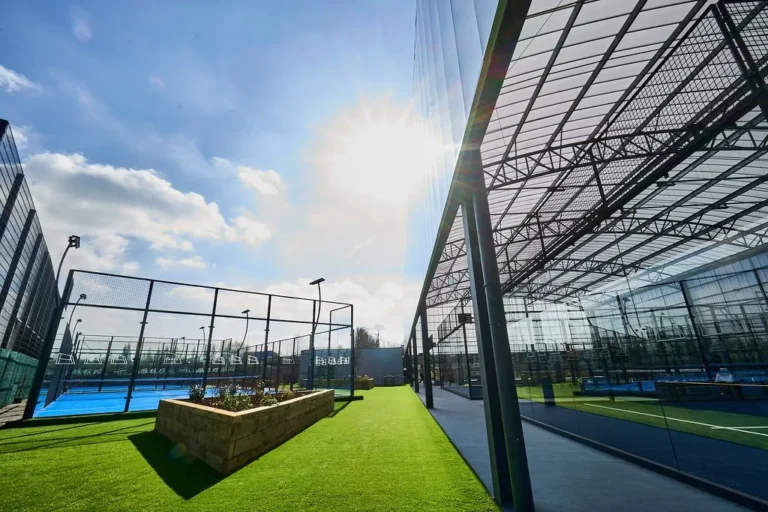
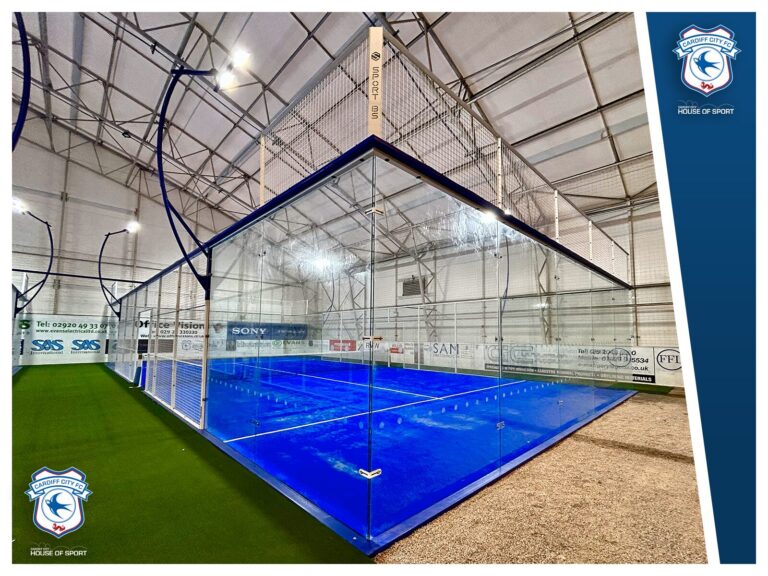
A standard padel court dimensions is 20 metres by 10 metres, about three-quarters the size of a tennis doubles court. Because you always play doubles, each player covers even less ground.
That means shorter sprints, fewer lunges and far less wear on your knees, hips and ankles. The smaller court and shorter sprints make padel less demanding than tennis.
The underarm serve also removes the overhead stress that causes so many shoulder injuries in tennis. And because the glass walls keep the ball in play, rallies last longer without requiring explosive movements to cover every corner of the court. For seniors who want to stay competitive without breaking down, it is an ideal combination.
Health Benefits of Padel for Over 50s
The physical benefits of regular padel go well beyond getting some exercise. A typical one-hour session burns between 400 and 700 calories depending on intensity, with your heart rate sitting between 120 and 150 beats per minute for most of the match. That places it firmly in the aerobic zone - the sweet spot for cardiovascular health.
Players who train twice a week often see a measurable drop in resting heart rate within the first few months. Beyond the heart, padel strengthens leg muscles, improves core stability and develops the kind of coordination and balance that helps prevent falls as you age. The constant lateral movement and reaction to the ball also keeps your reflexes sharp.
There is a strong mental health component too. The social nature of doubles play naturally combats isolation, which is one of the biggest risk factors for depression in older adults. The endorphin release during exercise provides a mood boost that lasts well after you leave the court, and many regular players report better sleep quality and lower stress levels.
Cognitive Benefits - Keeping Your Mind Sharp
Padel is often described as physical chess, and for good reason. Every point involves reading your opponents, choosing shot placement, communicating with your partner and adjusting your position on the court. That constant decision-making is good for your brain.
For seniors, this cognitive engagement is a significant bonus. Unlike repetitive exercises like running or cycling, padel forces you to think actively throughout every rally.
You are processing visual information, anticipating trajectories off the glass walls and coordinating with your partner in real time. If you are looking for a sport that exercises your mind as much as your body, padel strategy and positioning will keep you mentally engaged for years to come.
Equipment Tips for Senior Players
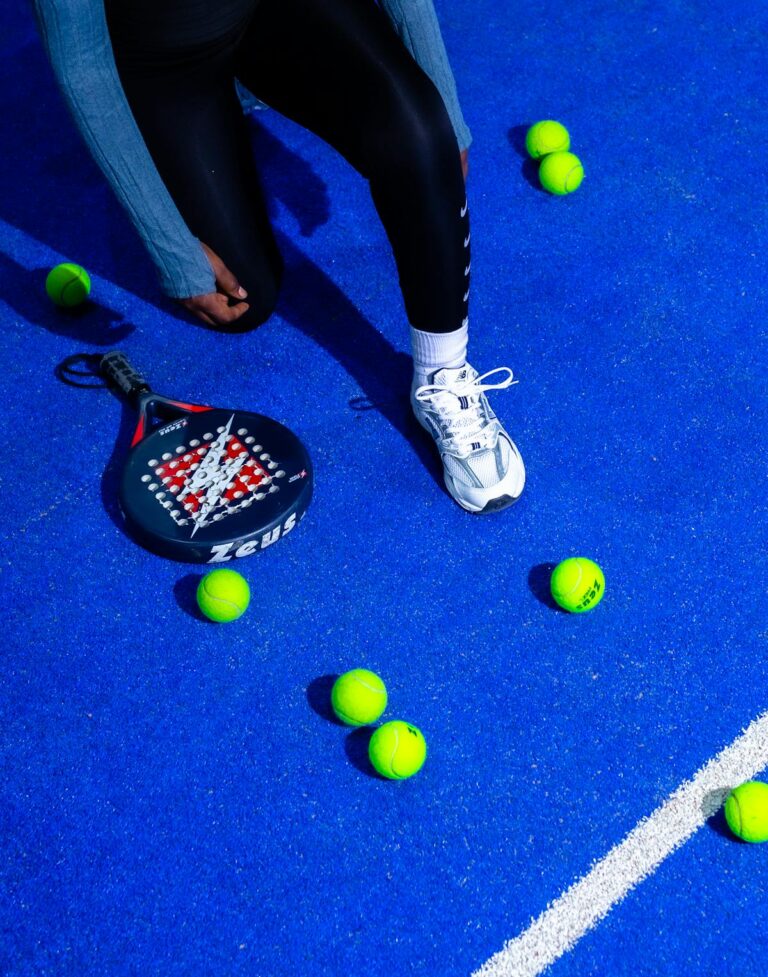
Choosing the right equipment makes a big difference when you are playing past 50. The racket is the most important decision. Senior players generally benefit from a round-shaped or teardrop-shaped racket with a large sweet spot. These shapes offer more control and forgiveness on off-centre hits, which reduces vibration through the arm and wrist.
Weight matters too. Look for a racket between 350 and 370 grams. Going too heavy leads to fatigue and increases the risk of elbow and shoulder strain. A softer foam core - EVA Soft or similar - absorbs more impact and is kinder on the joints than a hard carbon frame designed for power players.
For grip, a Hesacore undergrip can help reduce vibration and improve comfort, especially if you have any issues with tennis elbow. Pair it with a fresh overgrip like the Wilson Pro Overgrip for good tackiness and moisture absorption.
Shoes should be clay court or padel-specific with herringbone soles for proper grip on the artificial grass surface. If you want more guidance on kit, our what to wear for padel guide covers footwear, clothing and accessories in detail.

Injury Prevention and Warm-Up Advice
The most common padel injuries for older players are tennis elbow, knee strain and lower back discomfort. The good news is that all three are largely preventable with the right approach.
Always warm up properly before stepping on court. Spend at least five to ten minutes doing dynamic stretches - arm circles, leg swings, gentle lunges and torso rotations. Follow this with a few minutes of light rallying before playing any competitive points. Cold muscles and stiff joints are far more susceptible to injury.
During play, listen to your body. If something feels tight or painful, stop and stretch rather than pushing through. Playing two or three times a week is enough to see real fitness gains without overloading your joints. Rest days are just as important as playing days, particularly when you are starting out.
After your session, cool down with static stretches focusing on your calves, hamstrings, shoulders and forearms. Staying hydrated throughout is essential - keep water courtside and drink regularly between games, not just when you feel thirsty.
Where to Find Senior-Friendly Sessions
Most established padel clubs now run dedicated sessions for older or less mobile players. In the UK, many clubs offer daytime “social padel” slots that attract a more relaxed crowd. These sessions focus on enjoyment rather than intense competition, which makes them ideal for players who are new to the sport or returning to racket sports after a break.
Booking platforms like Playtomic let you filter by level, so you can find games with players of a similar standard. Many clubs also run beginners courses specifically aimed at older adults, with coaching adapted to account for reduced mobility or fitness.
If you are in the UK, our guides to padel courts in Manchester, Edinburgh and Birmingham can help you find venues near you.
In Spain and Portugal, senior padel is deeply embedded in the culture. Many clubs have dedicated senior leagues and social groups that play several times a week. If you are considering a padel holiday in Spain, you will find plenty of options tailored to older players, including coaching retreats in Marbella and the Costa del Sol.
Senior Padel Competitions in 2026
If you enjoy competitive play, senior padel has a thriving tournament scene. The International Padel Federation (FIP) runs the FIP Beyond amateur tour, which includes age categories from 40+ up to 60+, although each event runs only some of them. These tournaments are held worldwide across three tiers, from grassroots events to larger competitions with prize money.
At team level, the FIP Senior World Cup brings together national teams in senior categories; the 2026 edition was held in Buenos Aires in September. In the UK, the LTA has expanded its 2026 padel competition calendar significantly, with more than 20 weeks of competitive play including seven Grade 1 events and 21 Grade 2 tournaments on the British Padel Tour.
In the United States, the United States Padel Association (USPA) is the national body, so check its site for senior events. Whether you want to represent your country or test yourself against players your own age, the options are growing every year.
Getting Started - Practical Tips

If you have never played padel before, the learning curve is gentle. Most people can rally comfortably within their first session, and the basics of padel are straightforward to pick up.
The underarm serve is easy to learn, the scoring is similar to tennis, and the glass walls actually make the game more forgiving because they give you a second chance to reach the ball.
Start with a group lesson or a social session rather than jumping into competitive matches. This lets you learn the fundamentals - positioning, the ready position, basic volleys and the padel serve - without pressure. Most coaches will adjust the pace and intensity for older beginners.
Play with players of a similar level and age where possible, at least in the early stages. This keeps rallies enjoyable and reduces the risk of injury from trying to match younger, more aggressive opponents. As your fitness and technique improve, you can gradually increase the intensity and start exploring more competitive formats.
Padel for over-50s FAQ
Our padel gift guide includes the Hesacore grip and other presents that suit players of any age, at every budget.