Building a padel court in the UK costs between £45,000 and £80,000 per court depending on whether it is indoor or outdoor, with total delivered project costs often higher once groundworks and drainage are included. The LTA‘s 2025 guidance puts the all-in cost at around £71,000 for one court or £148,000 for two. Multi-court projects achieve economies of scale - a four-court indoor build typically lands at £45,000-£60,000 per court delivered. LTA funding programmes (including the Quick Access Loan Scheme) and Sport England grants are available to eligible operators - check directly with the LTA padel team for current rates and terms. Last updated: April 2026.
This guide presents UK padel-court construction cost ranges, planning-permission considerations, financing options and revenue benchmarks for general information only. It is not legal, planning, tax or financial advice. Court costs vary widely with site conditions, supplier choice and current market rates.
Anyone planning a UK padel-court project should commission a feasibility study, engage a chartered surveyor or construction project manager, take planning advice from a qualified planning consultant, and consult an accountant or LTA finance contact before committing capital.
What Does It Actually Cost to Build a Padel Court?
The headline numbers for padel court construction in the UK are widely quoted but often misleading. You will see figures ranging from £30,000 to £200,000 depending on the source, which is not very helpful if you are trying to plan a real project.
The truth is that cost depends heavily on whether you are building indoor or outdoor, how many courts you are installing, your site conditions and what is included in the quote.
Here is a realistic breakdown based on the most current data available, including the LTA’s 2025 padel court construction guidance.
Cost Breakdown by Court Type
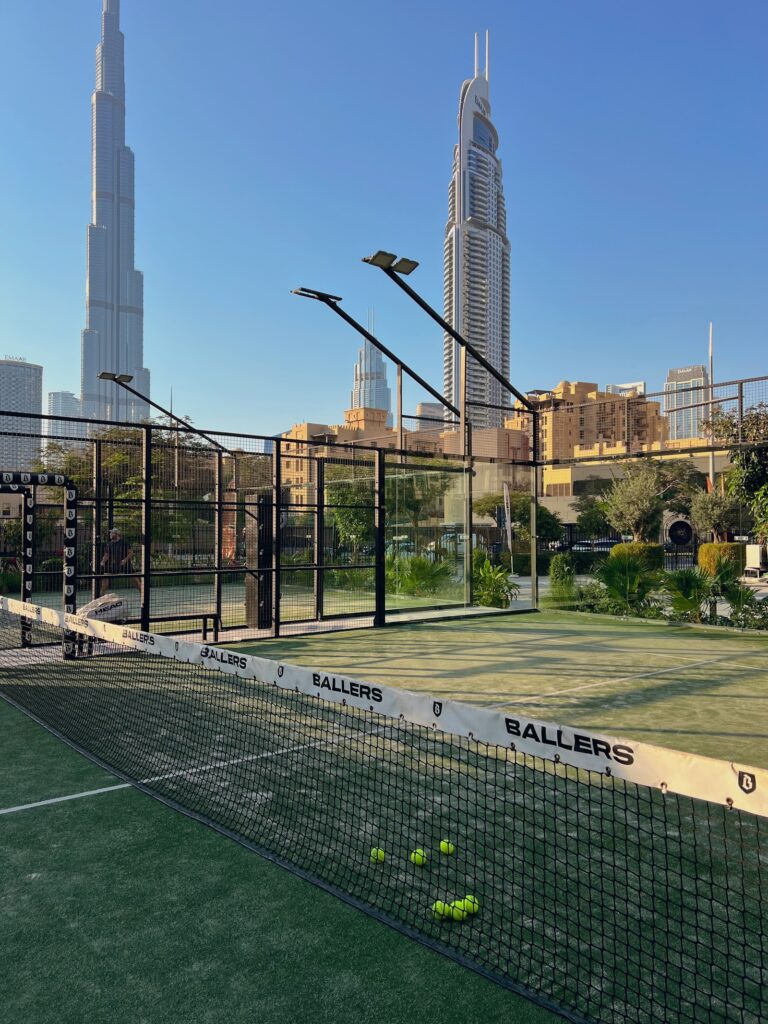
A standard outdoor padel court in the UK typically costs between £45,000 and £60,000 for the court structure, glass walls, turf, lighting and basic installation. This does not include groundworks, which can add significantly to the total.
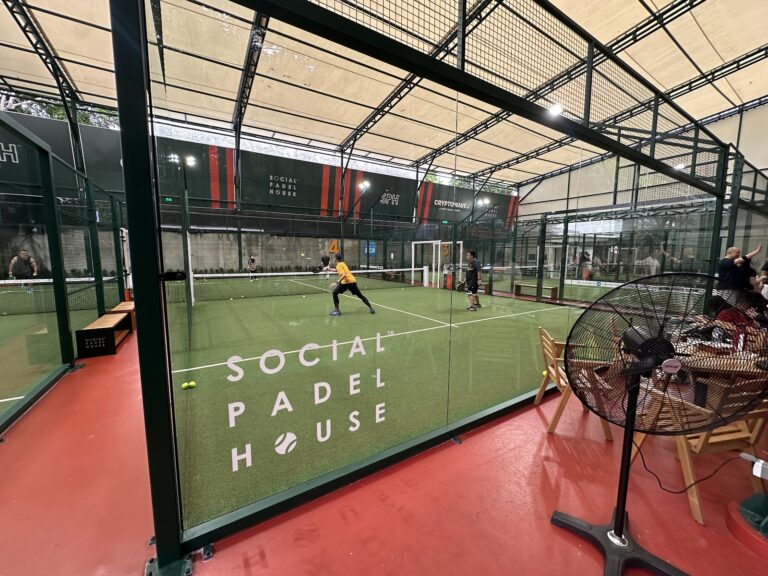
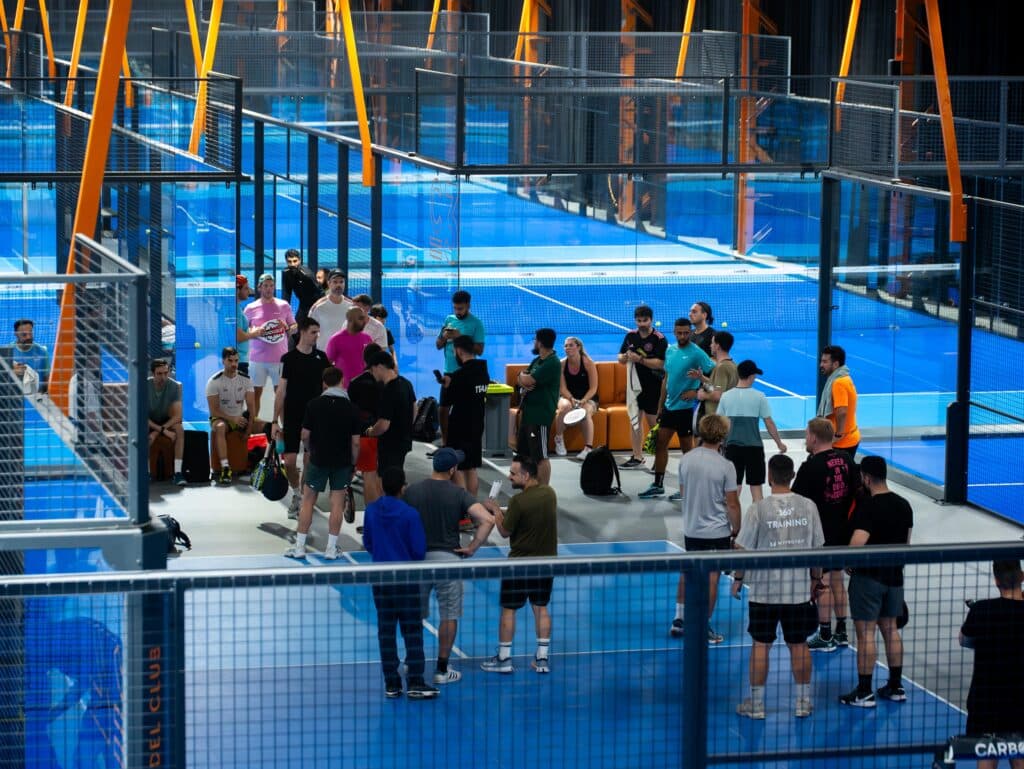
An indoor or canopied padel court costs more - typically £60,000 to £85,000 or higher - because you are adding a roof structure, insulation, ventilation and potentially climate control. Indoor courts are increasingly popular in the UK given the weather, but the upfront cost is substantially higher.
The LTA’s 2025 delivered project guidance gives the following all-in costs which include the court with lights, ring beam, base, ducting and drainage. For one court, expect around £71,000. For two courts, around £148,000.
For four courts, around £268,000. These figures reflect real-world delivered projects rather than just the court structure alone, which is why they are higher than many supplier quotes.
The Hidden Costs Most Quotes Leave Out
The single biggest trap in padel court budgeting is assuming the court supplier’s quote covers everything. In most cases, it does not. Here are the additional costs you need to factor in.
Groundworks and foundations are the most variable cost element. You need a reinforced concrete ring beam (typically 400mm wide) around the perimeter of the court to anchor the glass walls and steel frame. The depth and design of this beam depends on your soil type and site conditions.
A structural engineer will need to assess this. Budget £15,000 to £40,000 per court for groundworks, ring beam and foundations - though this can be higher on difficult sites.
Drainage is essential and often underestimated. Outdoor courts need proper surface water drainage to prevent waterlogging and damage to the playing surface. Depending on existing site drainage, this can add £3,000 to £10,000 per court.
Electrical work for floodlighting, power supply and any indoor climate systems will typically cost £3,000 to £8,000 per court. Access roads, fencing, car parking and landscaping can add further costs depending on planning conditions. Professional fees for architects, structural engineers, planning consultants and project management typically add 10-15% to the total project cost.
Economies of Scale - Why Multi-Court Projects Cost Less Per Court
Building multiple courts at once significantly reduces the per-court cost. Groundworks, drainage and electrical infrastructure can be shared. Supplier and contractor mobilisation costs are spread across more units. And many court manufacturers offer volume discounts.
The LTA’s figures illustrate this clearly. One court costs around £71,000. Two courts cost £148,000 (£74,000 each). But four courts cost £268,000 - just £67,000 per court. If you are building a commercial facility, four courts is generally considered the minimum for a viable business, and six to eight courts is the sweet spot for profitability.
Planning Permission - What You Need to Know

In the vast majority of cases, you will need planning permission to build padel courts in the UK. This applies whether you are building at a commercial venue, a sports club or even on private land if the courts will be used for anything beyond personal recreational use.
Indoor padel courts are classified as class E(d) under the Use Classes Order, while outdoor courts fall under class F2(c). Unless you are converting an existing sports facility that already has the appropriate use class, you will almost certainly need to apply for a change of use along with the physical development consent.
Planning conditions for padel courts commonly include restricted hours of operation (particularly for outdoor courts with floodlighting), noise mitigation requirements, limits on floodlighting hours and intensity, and landscaping and screening obligations. Noise has become an increasingly common objection in planning applications for padel courts, so acoustic assessments may be required.
Budget £3,000 to £8,000 for the planning application process, including fees, supporting documents and consultant time. The process typically takes 8 to 12 weeks for a straightforward application, but can take longer if there are objections or if your local authority requires additional assessments.
Choosing a Court Supplier
The UK padel court market has matured significantly and there are now several established suppliers and installers to choose from.
The key players include Portico Sport (a major international manufacturer with over 4,000 courts installed in 35+ countries), Padel Tech (the exclusive UK distributor for AFP Courts and one of the most experienced teams in the market), Hexa Padel, Padel Magic and PRO Padel Courts (a UK-based manufacturer).
When comparing suppliers, look beyond the headline court price. Ask what is included in the quote - specifically whether groundworks, ring beam, drainage, electrical work and professional fees are covered.
Ask for references from completed UK projects, and if possible visit a site they have built. The cheapest quote is rarely the best value if it leaves major cost items out of scope.
The SAPCA Code of Practice for Padel Court Construction sets the industry standard in the UK. Any reputable supplier should be building to these standards. The LTA also publishes construction guidance that is worth reading before engaging any supplier.
Can You Make Money from a Padel Court?

The short answer is yes, but it depends entirely on location, utilisation and how well you manage the business.
Padel court economics in the UK are attractive compared to other sports facilities - on the same surface area, a padel court can generate nearly double the revenue of a five-a-side football pitch and up to six times more than a tennis court.
Revenue comes from several streams: court hire (the primary income source), coaching and academies, memberships, tournament hosting, equipment sales and food and beverage. In the UK, court hire rates typically range from £30 to £60 per hour depending on location and time of day.
Most industry analyses suggest that a four-court venue can target break-even within three to five years with balanced utilisation, coaching programmes and ancillary revenue.
Some operators report faster returns - Pure Padel has been cited in industry coverage as reaching £1.6 million in revenue within eight months of opening, although we have not independently verified this figure. A utilisation rate of 60-70% during peak hours is generally considered the threshold for profitability.
The key risk is overestimating demand in your area. Before committing to a build, research local competition, catchment population and the existing padel community. A feasibility study is essential for any commercial project.
LTA Funding and Grants
The LTA has been actively supporting padel growth in the UK and may offer funding or support for qualifying projects. Their padel development programme works with clubs, local authorities and commercial operators to grow the sport. Contact the LTA padel team directly to discuss whether your project might qualify for support.
Beyond the LTA, financing options include commercial loans, equipment finance (where the courts themselves serve as collateral) and in some cases Sport England grants for community-focused projects. Several UK finance providers now have specific padel court financing products, reflecting the growing maturity of the market.
Timeline - How Long Does It Take?
A realistic timeline for a padel court project in the UK, from initial planning to courts being ready to play, is typically six to twelve months. Here is a rough breakdown of each phase.
Feasibility and design takes one to two months. The planning application process takes two to three months (longer if contested). Procurement and ordering courts takes one to two months, as most manufacturers have lead times. Groundworks and construction takes two to four months depending on scope and weather. Final installation and commissioning takes two to four weeks.
Weather is a real factor for outdoor construction in the UK. Groundworks and base construction are best done in drier months to avoid delays and cost overruns. Many projects aim to start groundworks in spring for a summer or autumn opening.