UK padel grew from 68 courts in 2019 to 1,004 courts by July 2025 - a 1,376% increase. Player numbers jumped from 15,000 to over 400,000. The LTA has invested £6 million+ and projects around 1,300 courts by the end of 2026. Major operators driving growth include Game4Padel (pay-and-play, Andy Murray-backed), Pure Padel, Powerleague and a growing list of premium club brands. Premier Padel P1 London at Olympia (3-9 August 2026) is the headline UK event. Padel is now the fastest-growing UK sport by court installations and will overtake squash in active player numbers in 2026. Last updated: April 2026.

A snapshot of UK padel’s rise
Five years ago, most British sports enthusiasts had never heard of padel. Today, 400,000+ Brits play padel regularly. The sport has exploded across the country, with courts now found in every region from London to rural Scotland. At Padeli.com, we’ve watched this transformation unfold - and the growth shows no signs of slowing.
This article explores how padel conquered Britain. We’ll cover the numbers, the key drivers, the LTA’s role, and what the future holds for our sport.
The Numbers: An Extraordinary Five-Year Growth Story
The statistics are staggering. In 2019, Britain had 68 padel courts and approximately 15,000 players. By July 2025, those figures had grown to 1,004 courts and 400,000+ players. That’s a 1,376% increase in courts and a 2,567% increase in players.
Think about that for a second. In just five years, padel participation surged from 0.02% of the UK population to 0.6%. Courts multiplied almost 15 times over. The compound annual growth rate for courts was a remarkable 56%.
The momentum is accelerating, not decelerating. 2024 alone saw 413 new courts built - a single-year record. By the end of 2026, the LTA projects approximately 1,300 courts across Britain.
The Tipping Point: 2022-2024 Was the Turning Point
While padel had been growing steadily from 2019-2022, the real explosion began in 2023-2024. This is when the sport shifted from niche to mainstream. Media coverage increased. Celebrities and athletes started playing. Major operators like Game4Padel raised investment at a £25.2-£27 million valuation, with Andy Murray backing the business.
Why did 2022-2024 matter? Several factors converged. The LTA recognised padel as an official discipline of tennis (gaining approval from Sport England, Sport Scotland, and Sport Wales). Professional media coverage began - BBC, ITV, and Sky started featuring padel. And critically, awareness among regular UK adults jumped from 23% (early 2024) to 43% (Q1 2025) in just 12 months.
Once a critical mass of awareness and infrastructure was in place, growth became self-reinforcing. More courts led to more players. More players created demand for more courts. Celebrity endorsements and media coverage accelerated the trend.
Key Growth Drivers - Why Did Padel Take Off?
Four core factors drove padel’s rise in Britain. First, it’s accessible. Padel is easier to learn than tennis, lower-impact, and more forgiving. Beginners can enjoy competitive play within 3-4 lessons. Compare this to tennis, where it takes months to develop basic consistency.
Second, padel is highly social. Games are doubles only, so you’re playing with partners and opponents. The social element drives retention - people come back for their friends, not just the sport. Courts are naturally sized for chat and camaraderie. Many padel venues have bars and social areas.
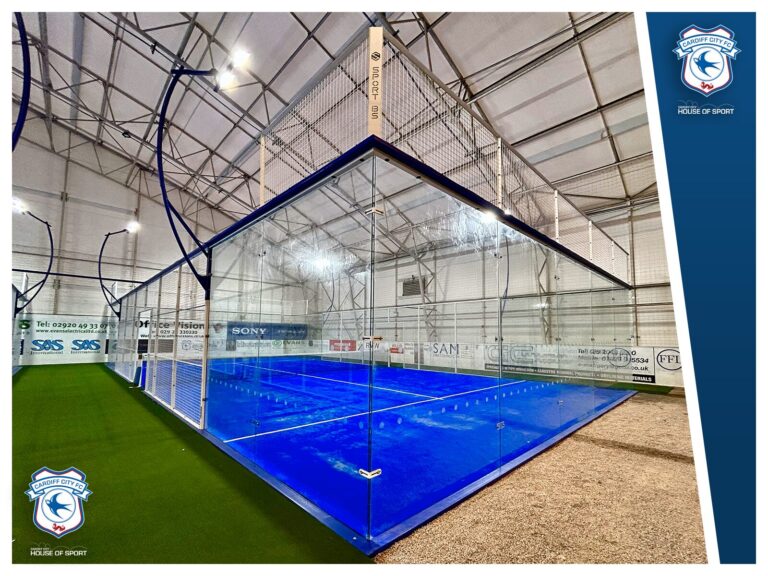
Third, padel fits modern life. Courts take less space than tennis courts, so they work in urban locations. Games take 45 minutes to an hour - perfect for working professionals. You can play year-round with indoor courts (now over 50% of the UK estate).
Fourth, investment and infrastructure. The LTA committed over £6 million to padel development as of February 2025, with £4.5 million allocated specifically to build 80 courts at 42 venues. Major commercial operators like Game4Padel, Pure Padel, and Powerleague scaled rapidly, making courts available nationwide.
The Demographic Revolution - Who is Playing Padel?
Padel players don’t fit a single stereotype. The sport attracted a diverse demographic, which matters for long-term growth. Roughly 40% of players are female - higher than tennis. The core age group is 25-45, professionals and busy families seeking accessible sport.
But padel also welcomes retirees (it’s lower-impact than running or tennis), teenagers (fun, social, competitive), and young adults (trendy, sociable). The diversity of the player base suggests padel will sustain growth across multiple market segments.
Player retention is excellent. Regular players (those playing twice monthly or more) grew from 23,000 in early 2024 to 51,000 by Q1 2025. That’s more than doubled in a year. And 8 million UK adults expressed interest in trying padel - that’s a massive untapped market.
Regional Growth - It’s Not Just London Anymore
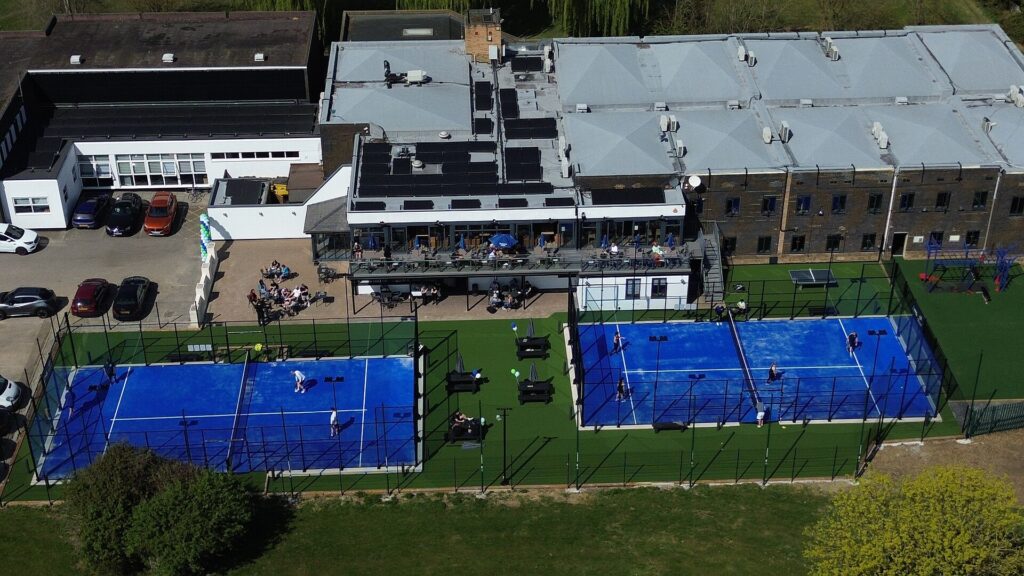
Early growth was concentrated in London and the South East (297 courts). But the market has diversified rapidly. The North and West Midlands (179 courts) is now the fastest-growing region. Every region of Britain now has padel access.
This geographic spread is vital. When padel was only available in London and major cities, growth was limited. Now that courts exist in Manchester, Leeds, Liverpool, Edinburgh, Cardiff, and even smaller towns, participation can grow from multiple population centres. Regional operators and Powerleague expansion are driving this geographic diversification.
The LTA’s Role - How the National Governing Body Accelerated Growth
The Lawn Tennis Association (LTA) is the national governing body for padel in Britain. They didn’t just sit back and watch the sport grow - they actively invested in infrastructure, coaching, and participation.
Key LTA initiatives include:
- Recognition of padel as an official tennis discipline (2022)
- £6 million+ investment in development as of February 2025
- £4.5 million allocated to court development at 42 venues
- Creation of official coaching qualifications (the LTA Coaching pathway)
- Development strategy 2024-2029 focused on infrastructure, coaching, performance and participation
The LTA also legitimised padel in the eyes of Sport England, Sport Scotland, and Sport Wales - gaining official government sports recognition. This access to public funding and policy support has been essential to scaling the sport.
What’s Next? The Future of Padel in Britain
The trajectory is clear. The LTA projects ~1,300 courts by the end of 2026 and continued growth through 2029. We’re likely to see padel participation cross 600,000-700,000 players by 2027.
Future growth will come from several areas. Junior padel is emerging - schools and junior clubs are developing. Women’s padel is experiencing particular momentum. Corporate team-building is driving office-based leagues. Holiday padel is becoming a thing - UK resorts are adding courts.
The Premier Padel P1 event coming to London in August 2026 will be transformational - bringing professional padel to British audiences for the first time.
Long-term, padel could displace squash as Britain’s second-most-popular racket sport (after tennis). The accessibility, social nature, and ease of play make this achievable within 10 years.
From Trend to Tradition - How Padel Became “British”
What makes padel’s rise special is how quickly it moved from trend to integrated sport. It’s not a fad. The participation is broad, retention is strong, and infrastructure keeps growing. Padel is becoming as British as tennis courts and cricket pitches.
You see this in corporate culture (padel league nights), in local communities (courts in every neighbourhood), in media coverage, and in investment. The business ecosystem around padel - racket manufacturers, coaching networks, events, retailers - is professionalising.
For us at Padeli.com, it’s thrilling to witness and support. We’re helping new players discover courts, coaches, and the padel community. We’re tracking growth, documenting venues, and celebrating the sport’s rise. If you’ve been thinking about trying padel, the time is now - you’re joining a movement that’s defining British sport in 2026.