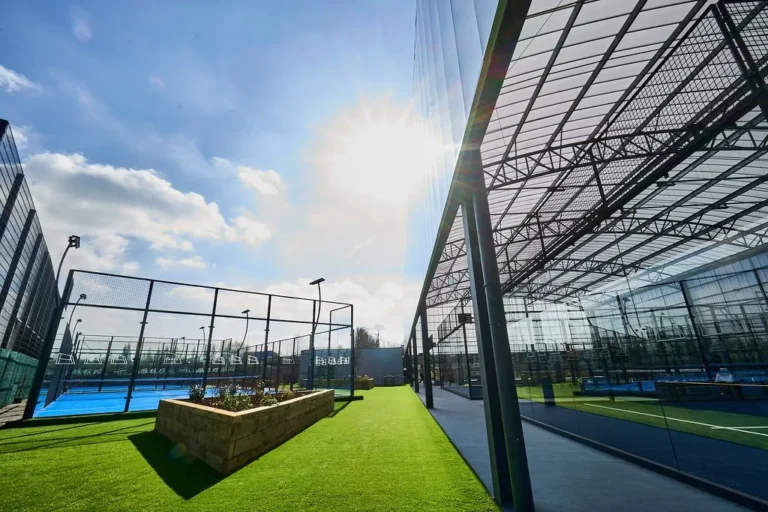
Padel arrived in Bali in 2021 with just a handful of experimental courts. By 2026 the island hosts dozens of dedicated padel venues across Canggu, Seminyak, Ubud, Uluwatu and Jimbaran, driven by expat demand, resort integration and international academies like Bali Padel Academy and Mouratoglou. Bali is now one of Southeast Asia’s most developed padel destinations. Tournaments run through the year, and major brands (NOX, Bullpadel) have anchored programmes locally. The next phase is resort-integrated padel, such as the Liga Padel Club announced at Ayodya Resort (no opening date confirmed).
From zero to dozens: the Bali padel timeline

Padel came quietly to Bali. In 2021 and 2022, the first courts appeared on the island - just a handful of what were essentially experimental setups that most visitors had never heard of. Fast forward to today, and we’re standing in the middle of a padel revolution.
Bali now hosts dozens of dedicated padel venues, with new courts opening regularly. The journey from obscurity to prominence has been swift, and it tells a fascinating story about how sport, community, and tourism intersect.
At first, the early pioneers didn’t know what to expect. At the time, padel was virtually unknown in Indonesia beyond a few niche players in Jakarta.
But Bali’s unique combination of factors created the perfect incubation environment for the sport to flourish. What started as a curious experiment at a handful of locations has evolved into a thriving, competitive industry with professional tournaments, international retreats, and a tight-knit global community.
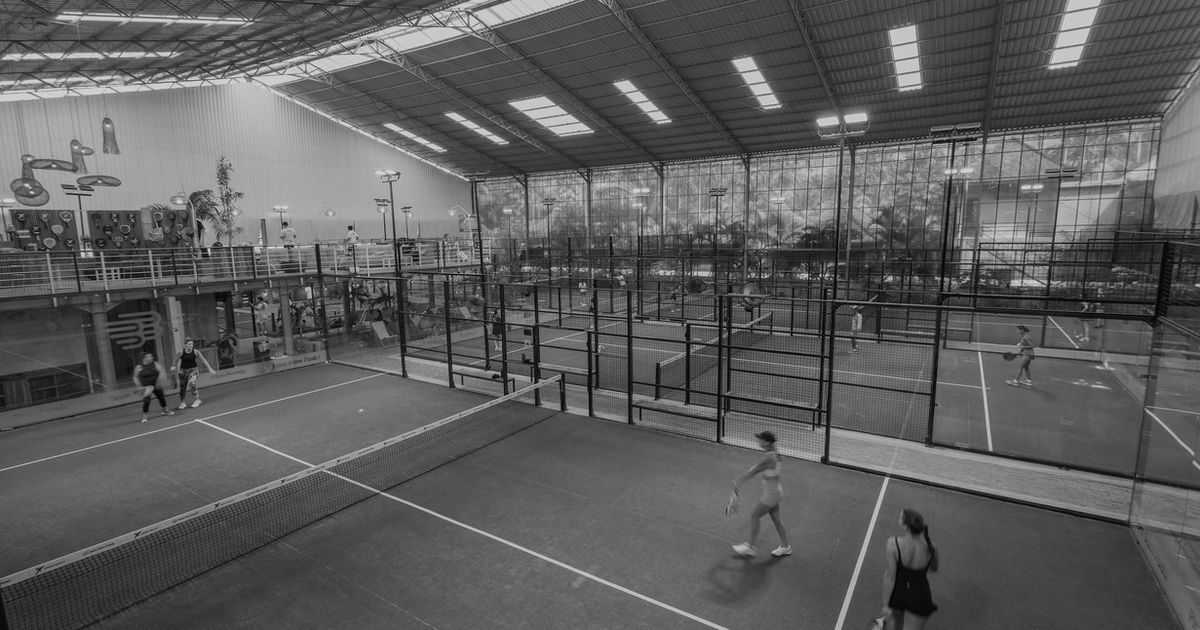
Today, when you walk through Canggu or Ubud, you’re as likely to see someone carrying a padel racket as a surfboard. The transformation has been complete - and it’s only just beginning.
Why Bali? The Perfect Storm for Padel
Bali’s rise as a padel destination didn’t happen by accident. Several converging factors combined to make the island uniquely suited to becoming a global padel hub.
First, there’s the expat and digital nomad population. After all, Bali has long been a magnet for remote workers, entrepreneurs, and lifestyle seekers from across the world. These communities are highly social, always searching for ways to connect with others and build friendships.
Padel, with its doubles format and inherently social nature, arrived at exactly the right moment. It provided structure and community for an otherwise scattered population of temporary residents.
Second is climate. Bali’s tropical weather - consistently warm, with predictable rainy seasons - meant that covered and semi-indoor courts could operate year-round. While many sports struggle with monsoon seasons, padel venues adapted, installing protective structures that allowed play even during heavy rain. This reliability became a huge competitive advantage.
Third is tourism infrastructure. Bali already had the hospitality ecosystem in place to welcome visitors. Resorts were looking for ways to differentiate themselves and add value to guest experiences.
Padel became the perfect addition - an engaging activity that could be enjoyed by guests of all fitness levels, often followed by dining and socialising at venue restaurants. Hotels and resorts began integrating padel into their offerings, some even developing their own courts.
Finally, there’s investment and sponsorship. International padel brands recognised Bali’s potential early. The partnership between BPA Canggu and NOX Padel brought professional-grade equipment, coaching standards, and credibility to the local scene. Retreat operators started running padel retreats in Bali, bringing clients, media attention, and international players.
The Key Venues: Where Bali’s Padel Movement Lives

The physical venues are where the community comes alive. Each major venue has developed its own character, its own community, and its own regular players. Here’s where the action happens.
BPA Canggu stands as the flagship venue and the heart of Bali’s padel scene. With 7 courts, a restaurant, and regular professional events, BPA set the standard for what a serious padel facility could look like in Southeast Asia.
The NOX partnership brought international coaching and equipment partnerships. BPA hosts tournaments, social events, and is where many international players first experience Balinese padel.
Jungle Padel represents scale and accessibility. With nine Bali locations - including Pererenan, Canggu, Ubud, Kerobokan, Sanur and Seseh - Jungle Padel has become the accessibility play.
Not everyone wants to go to a flagship venue; some prefer the casual neighbourhood court. Jungle’s distributed model means padel is available right where people live, work, and stay.
Bam Bam Padel in Ubud brought wellness to padel. With 5 courts, a recovery spa, and restaurant, Bam Bam appealed to the wellness-focused expat population that Ubud attracts. The venue positioned padel not just as sport, but as part of a holistic health and lifestyle experience.
Monkey Padel rounded out the boutique offering, with 3 courts and a focus on coaching and skill development. The venue became known for its intimate, coaching-focused environment, attracting serious players who wanted to improve their game.
Beyond these, the ecosystem expanded rapidly. Resort venues like Sky Padel at Dynasty Resort brought padel to the luxury hospitality segment. Others are in development, including a padel club announced at Ayodya Resort, though no opening date has been confirmed.
Indonesia’s Padel Dominance in Southeast Asia
Context matters. To understand how significant the rise of padel in Bali is, you need to look at Indonesia’s position in Southeast Asia. Indonesia is one of the fastest-growing padel markets in the region, though published court counts vary by source.
Thailand, Malaysia, Singapore, and Vietnam are developing too. This isn’t just about Bali; it’s about Indonesia establishing itself as the Southeast Asian epicentre of padel.
Bali has a large share of that infrastructure. This concentration creates a network effect. More courts mean more players. More players mean more tournaments, more coaching, more equipment, and more media attention. More of all that means more tourism dollars and more international players relocating or visiting.
International events matter too: the Asian Professional Padel Tour (APPT) has no confirmed Bali stop in 2026, but FIP Promises and FIP Silver tournaments were scheduled for Bali in August 2026. Professional tournaments don’t just bring prize money; they bring media coverage, sponsorship, and international prestige. Bali isn’t just a tourist destination for padel anymore - it’s becoming a competitive tournament destination on the global calendar.
The International Retreat Economy
One of the most significant developments in the rise of padel in Bali has been the arrival of international padel retreat operators. Companies like The Padel Retreat, Goddess Retreats, Wanderlands, and others run multi-day padel retreats in Bali.
These retreats typically package 3 - 7 days of padel, accommodation, meals, and socialising into a complete experience.
This model has profound implications. Week-long retreats typically start from around $1,600 per person. They generate revenue not just for padel venues but for hotels, restaurants, transport, and the entire local economy.
More importantly, retreat participants become ambassadors. They return home as passionate advocates for the sport, sometimes starting padel scenes in their own countries.
The retreat economy also attracts international professional players. Some relocate to Bali semi-permanently, using it as a training base. Others visit regularly to coach, to play in tournaments, or to film content. This creates a virtuous cycle: more international profiles attract more international visitors.
The Community: From Strangers to Friends
Behind every court is a community. Bali’s padel growth has been inseparable from the strength of its community. WhatsApp groups linked to major venues are the main way players find games and events, and Instagram accounts dedicated to Bali padel help spread the word.
The social dynamics of padel amplify this effect. Because the sport is always doubles, newcomers don’t have to worry about playing singles matches against unfamiliar opponents. Americano events rotate partners, meaning you’ll play with different people throughout an evening. This creates natural networking and friendship-building.
For expats and digital nomads, padel became the primary vehicle for building social networks. In a city where many people are temporary residents, padel provided structure, regularity, and a ready-made community. The same faces show up on Tuesday evenings at the same court, creating a sense of belonging that many temporary residents crave.
Bali Social Club is a four-court club in Canggu that is part of the island’s community play.
The Future: What’s Next for Bali Padel
The growth trajectory shows no signs of slowing. Several new resort padel facilities are in development. Investor interest is intensifying - padel is increasingly seen as a legitimate hospitality offering, not a niche curiosity. International tournaments such as the FIP events in Bali show the island is joining the global competitive padel circuit.
The next phase will likely see consolidation and professionalisation. Specifically, more venues will develop tier-one facilities. Coaching standards will increase. Media coverage will expand. Prize pools for tournaments will grow.
But the core appeal - that community, that accessibility, that sense that padel is for everyone - must remain. The venues that grow fastest in Bali will be those that understand that padel’s strength isn’t just as a sport, but as a vehicle for connection.
Bali didn’t become a padel hotspot because it had the best weather or the richest investors. It happened because the sport arrived at the right moment, in the right place, for the right people. It gave a dispersed community of expats and nomads something to do together.
It made casual players feel like athletes, and athletes feel like friends. And it continues to grow, venue by venue, court by court, one new player at a time.