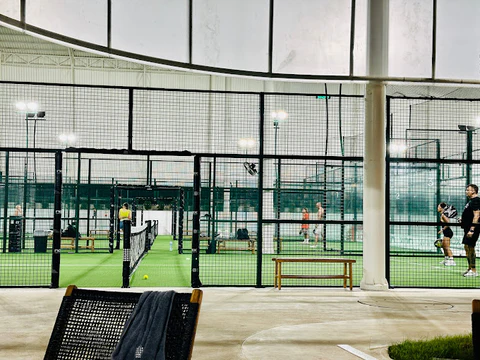
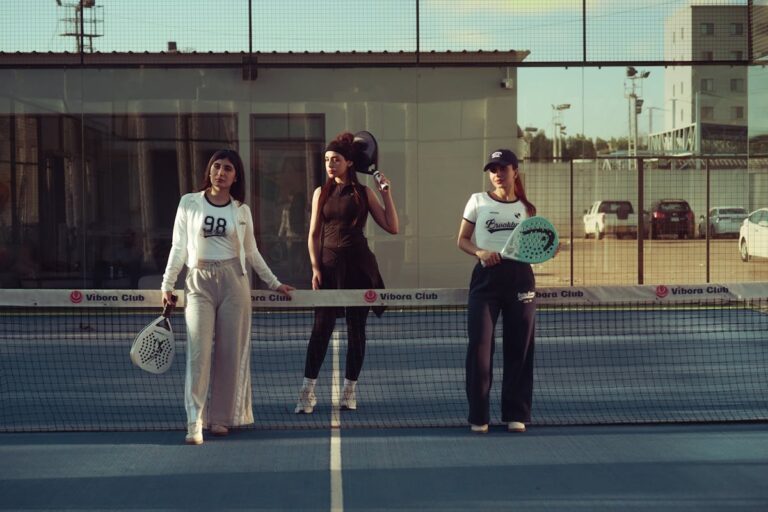
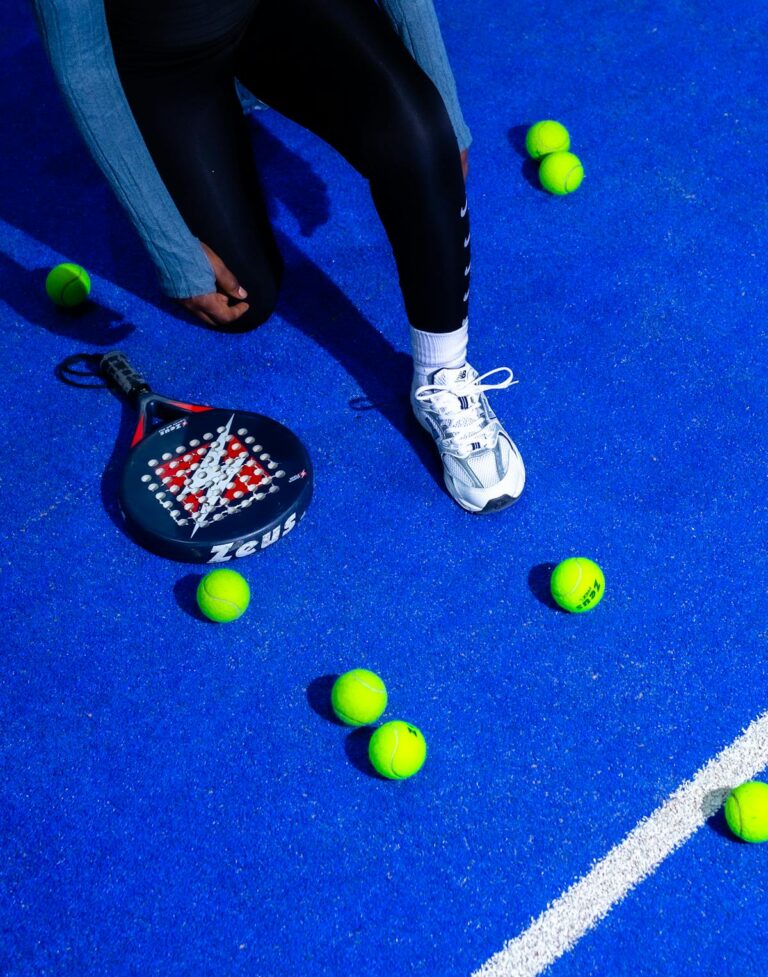
Consistent practice builds padel mastery whether you train solo or with a partner. This guide curates drills focused on wall play accuracy, serving consistency, volley control, footwork patterns and reactive court coverage. Solo wall sessions can be done at any padel venue or against any solid wall; structured 30-minute drills (10-target wall hits, two-zone footwork patterns, split-step timing) build technical reps faster than match play alone. Partner drills cover crosscourt rallies, side-to-side feeds, lob-and-bandeja exchanges, and competitive games like King-of-the-Court. Aim for two technical sessions plus one match per week. Last updated: April 2026.
What padel drills can I do alone?
Whether you’re training between matches or building your confidence on the court, solo padel drills are your secret weapon. The truth is you don’t need a partner (or even a full court) to improve dramatically. At Padeli.com we’ve seen countless players transform their game through focused solo practice - and you can too.
The beauty of padel is that it’s forgiving enough to allow meaningful solo training. A wall is your best friend. Your feet are your second best friend. Combine them with deliberate practice, and you’ll notice improvements in accuracy, footwork, and confidence within weeks.
Solo Drills You Can Do Right Now
Wall drills
Wall drills are the cornerstone of solo padel practice - watch any Premier Padel warm-up and you’ll see the pros doing exactly the same thing before matches. They’re simple, effective, and you can do them almost anywhere there’s a wall.
Hit the ball against the wall and keep it in motion. Start close to the wall - maybe just a couple of metres - and focus on consistent contact. As you gain rhythm, gradually increase your distance from the wall. Don’t worry about power yet. Accuracy comes first.
Once you’re comfortable, add targets. Imagine specific zones on the wall and aim for them at varying speeds and angles. This builds accuracy and reaction time simultaneously. Your eyes adjust to tracking the ball, and your hands learn to place it precisely.
Footwork drills
Efficient footwork is the foundation of every good padel player. Solo footwork drills require no equipment - just space and intention.
Practice shuffle steps along the baseline. Quick, small steps to your left and right. Then move to crossover steps - crossing one foot over the other as you move laterally. Finally, add split steps: a small jump where you land with feet shoulder-width apart, ready to move in any direction.
Do these slowly at first, focusing on form. Once you’re comfortable, increase speed. Aim for smooth, controlled movements rather than frantic scrambling. These drills directly transfer to match situations where explosive footwork wins points.
Agility drills
Agility separates good players from great ones. Ladder exercises and cone drills boost your movement speed and coordination.
If you have access to an agility ladder, run through it with quick feet. No ladder? Use cones or even chalk lines on the ground to create the same pattern. The goal is rapid, coordinated foot placement - training your nervous system to respond faster to changing court positions.
Cone drills work similarly: set up cones in various patterns (T-shape, figure-eight, zigzag) and run through them focusing on sharp directional changes. This mimics the rapid pivots and transitions you’ll need during a match.
Shadow play
Shadow play means practising shot movements without a ball. It might sound odd, but it’s effective for building muscle memory.
Rehearse your serves, volleys, and overheads in slow motion. Focus on your form: arm position, weight transfer, follow-through. Do this for 10 - 15 minutes regularly, and your body will remember the correct mechanics when match pressure hits. You’re training your nervous system before the pressure arrives.
Partner Drills for Two or More Players
Training with a partner (or a full squad) opens up different possibilities. You can now introduce consistency challenges, competitive elements, and multi-ball scenarios that sharpen match readiness.
Basket feeding
Basket feeding is simple but powerful: one player feeds 50 balls to a specific shot, and the other player focuses on consistency with that single technique.
For example, one player feeds medium-pace balls to your forehand side, and you hit cross-court returns. 50 repetitions of the same shot builds muscle memory and confidence. Then switch roles. Afterwards, feed 50 balls to volleys, 50 to overheads, or 50 to lobs. This targeted approach develops consistency that casual play never achieves.
Warm-up rally
Start with gentle baseline rallies. Keep the ball in play without trying to win points. Gradually increase intensity over 5 - 10 minutes. Then introduce volleys and overheads into the rally naturally.
This drill serves multiple purposes: your body warms up safely, your timing adjusts to your partner’s pace, and you groove the rhythm of controlled hitting. It’s the perfect bridge between solo practice and competitive play.
Cross-court volley exchange

Both players position at the net. Feed the ball back and forth with controlled volleys. No power. No trying to win. Just precision and touch.
This drill builds reflexes and teaches you court positioning. You’ll learn how close you can stand at the net, how quickly to react, and how to disguise your volley direction. Play for 10 - 15 minutes and you’ll feel noticeably sharper at the net.
Lob and overhead rotation
One player lobs from the baseline while the other practises bandeja or vibora shots (overhead techniques). After a set number of repetitions, switch roles.
This drill is essential for improving your overhead game. The bandeja is a control shot using slice and underspin, whilst the vibora is the more aggressive variation with side-spin. Practising both against consistent lobs builds confidence and shot selection awareness.
On-Court Drills with a Full Squad
Back glass practice
Feed balls to yourself off the back glass. Let the ball bounce once on the floor, once on the wall, then return it calmly over the net. Start close, gradually increase pace.
This drill builds confidence handling difficult situations. In matches, balls that bounce off the back glass can feel intimidating. Here, you’re turning that scenario into routine. By the time it happens in a match, you’ve practised it dozens of times.
Serve placement
Focus on placement, not power. Target different areas of your opponent’s service box. Practise hitting the sideline, the T-line, deep serves, and short serves. Accuracy under pressure wins matches far more often than raw power.
Keep track of how many serves land in target zones. Aim to improve your percentage each session. This builds the consistency that separates advanced players from intermediates.
The 2v1 drill
Two players position at the net whilst one player starts at the back. The back player practises defensive lobs against attacking opponents. This mimics high-pressure situations where you’re defending against overwhelming net position.
After 5 - 10 minutes, rotate so everyone gets time at the back. This drill builds mental toughness alongside technical skill.
How to Structure a Practice Session
Effective practice follows a structure. Random drills scattered throughout your session waste time and build inconsistent habits. Here’s how we recommend approaching padel training at Padeli.com.
Start with 10 - 15 minutes of solo warm-up drills: footwork, agility, and shadow play. Your body needs to prepare for intensity. Then move to partner-based technical work for 20 - 30 minutes.
This is where you refine specific shots and build consistency. Finish with 15 - 20 minutes of match-simulation or competitive drills - high intensity, low structure, pure movement. End with 5 minutes of light stretching.
This structure builds a complete training effect: preparation, technical refinement, competitive readiness, and recovery. Consistency matters more than duration. Thirty minutes of focused, structured practice beats two hours of aimless hitting.