Padel and tennis share the same points ladder but differ fundamentally in court size, equipment, and style of play. A padel court dimensions is 20x10m (about three-quarters the size of a tennis court), has glass walls in play, uses a depressurised ball, solid rackets, and underhand serves. Padel is played by more than 35 million people across 150+ countries (per the FIP World Padel Report 2025); tennis by an estimated 106 million (ITF Global Tennis Report 2024). Most tennis players find padel easier to pick up within one session. Our take on padel vs tennis in 2026, curated by the Padeli team.
The basics: what’s the difference?
At Padeli.com, we’re often asked: “What’s the difference between padel and tennis?” The short answer is that while they share a common heritage, they’re distinctly different sports with their own rules, equipment, and appeal.
Both sports involve hitting a ball over a net with a racket, but the similarities largely end there. From court dimensions to serving techniques, padel and tennis have evolved into two separate experiences.
Let’s break down what makes them different so you can decide which one suits your lifestyle.
Ready to upgrade your gear? See our guide to the best padel rackets for intermediate players in 2026 - tested picks by playing level and style.
Court Size and Environment
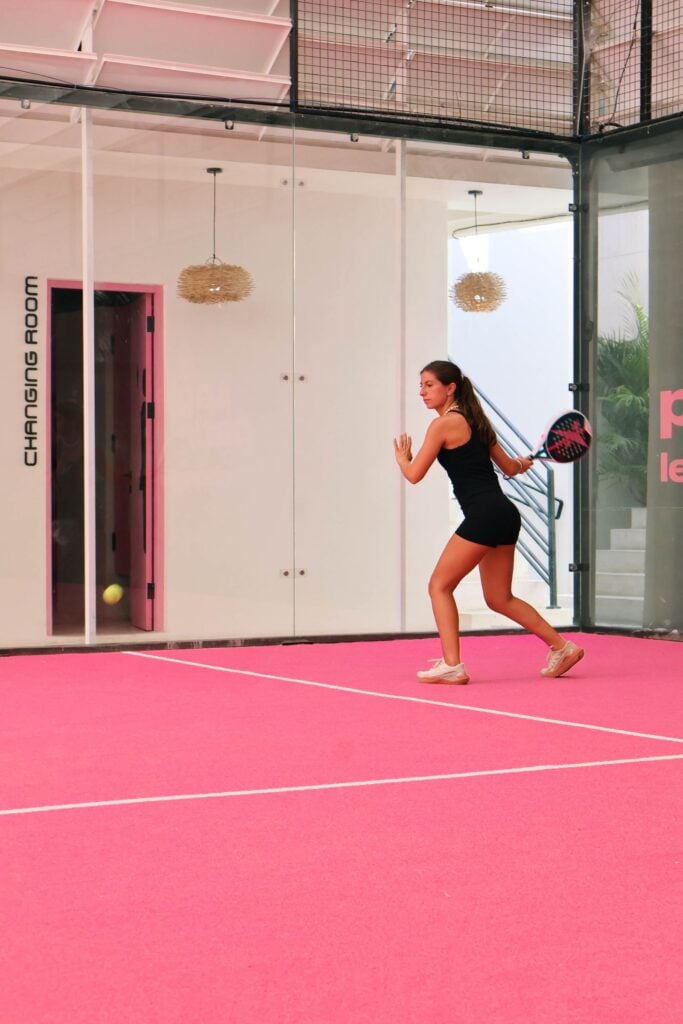
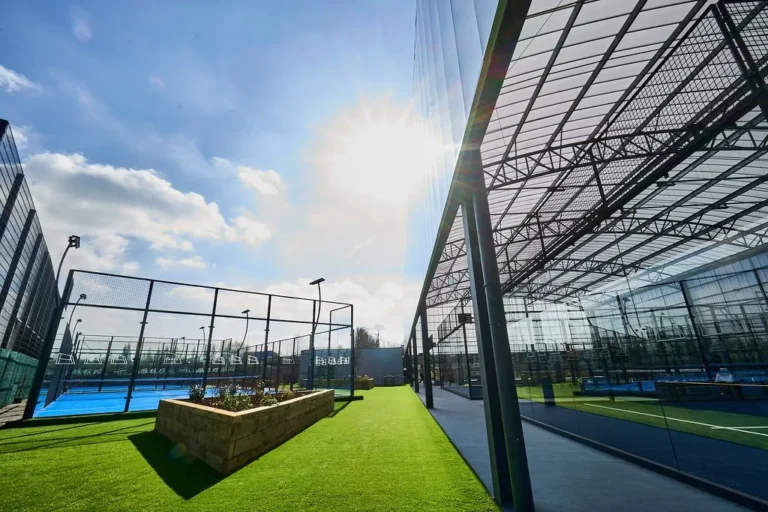
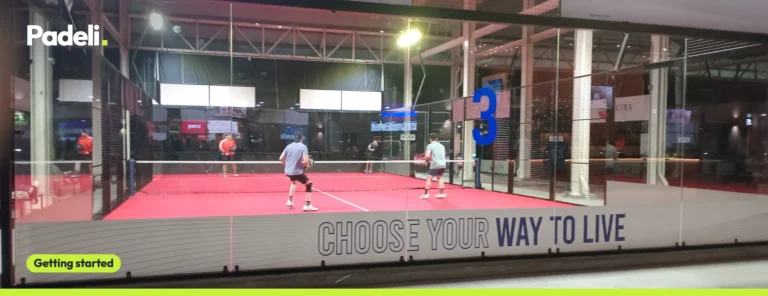
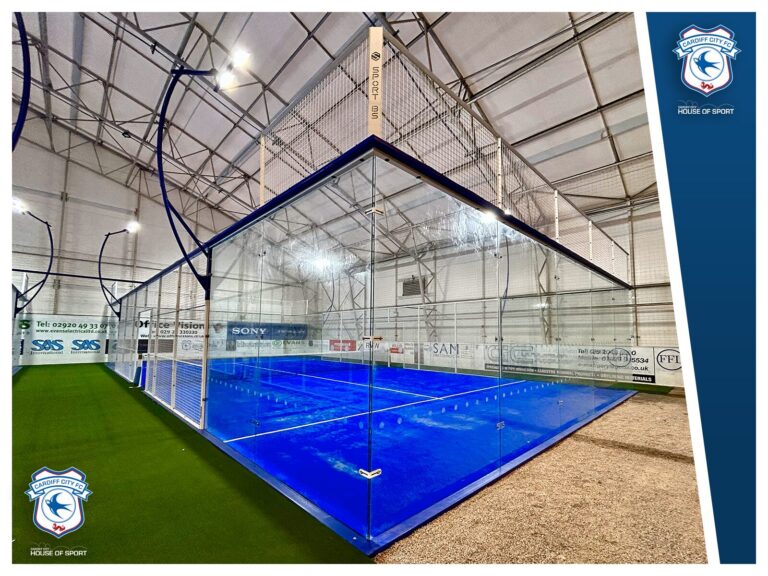
The first thing you’ll notice is the court. A padel court is 20 metres long and 10 metres wide, enclosed by glass walls on all sides. A tennis doubles court is larger at 23.77 metres by 10.97 metres and completely open.
That 4-metre difference might not sound significant, but it changes everything. With padel’s smaller court and enclosed space, you cover less ground, which means less running and shorter rallies. The glass walls are also part of the game - you can use them strategically, similar to how a squash player bounces shots off the wall.
For many beginners, padel’s compact court feels less intimidating. You’re never running from baseline to baseline, and the walls create a more intimate playing environment.
Rackets and Equipment
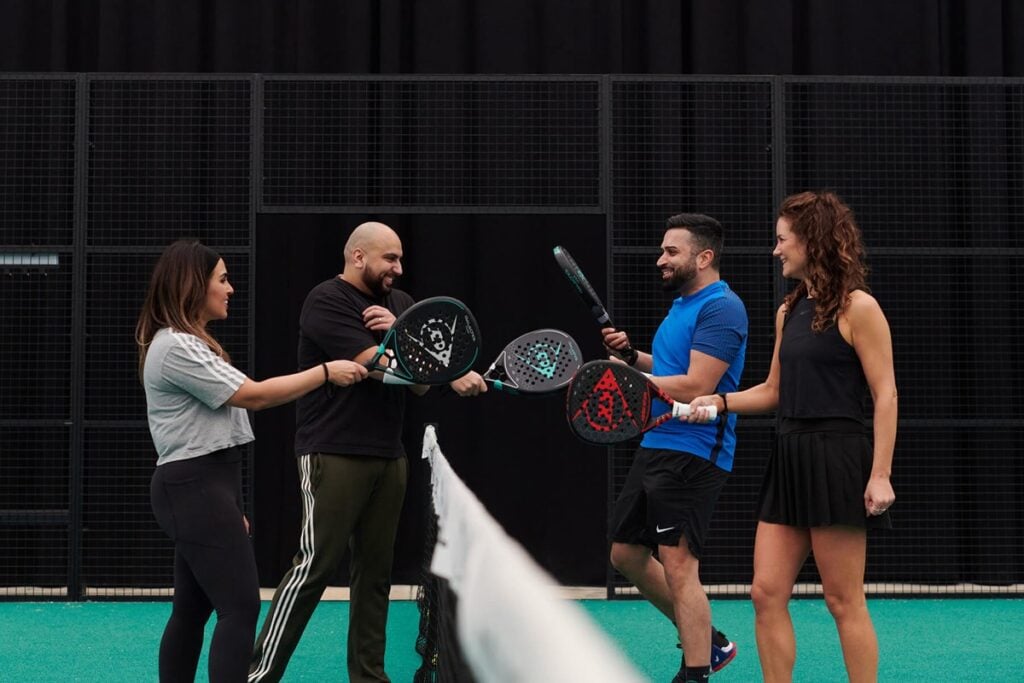
Hold a padel racket next to a tennis racket and the difference is obvious. Padel rackets are solid or perforated (with small holes) and have a maximum length of 45.5 centimetres. Tennis rackets are strung and typically 68 to 74 centimetres long.
The shorter padel racket is easier to control and requires less arm strength, making it more accessible to players of all ages and fitness levels. You won’t generate the same explosive power as in tennis, but that’s partly the point - padel emphasises technique and touch over raw strength.
The ball is also different. A padel ball is softer and has lower internal pressure than a tennis ball, which makes for a slightly slower bounce off the ground. This further contributes to padel being less intense on your body. Our guide to padel balls vs tennis balls covers the differences in detail.
The Serve: Underarm vs. Overhand
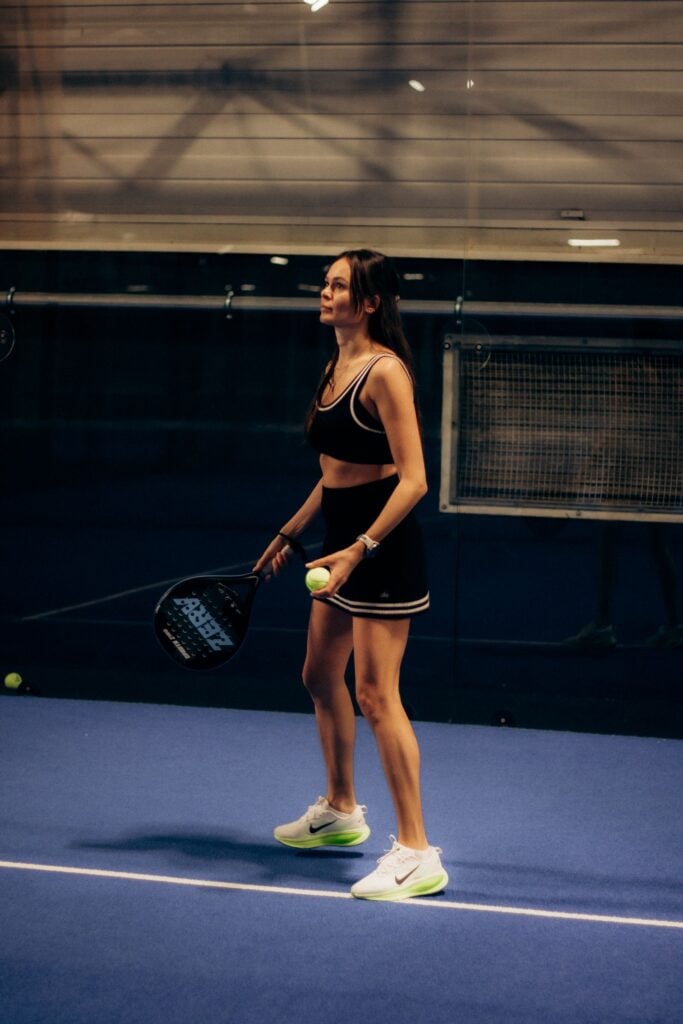
In tennis, a powerful overhand serve is central to the game. In padel, you must serve underarm. The server bounces the ball once and hits it at or below waist height, diagonally into the opposite service box, and the receiver must let it bounce in that box before returning it.
This underarm serve rule is huge for accessibility. If you’ve never played racket sports, you don’t need to master a complicated overhand motion with timing and toss. You bounce the ball and hit it below waist height with a simple movement. This is one reason padel is often called the “easier” sport to learn.
The underarm serve also means servers have less advantage. In tennis, a strong serve can be almost unreturnable. In padel, everyone starts from a more level playing field, making the sport inherently more sociable.
Scoring and Gameplay
Interestingly, padel scores games just like tennis: 15, 30, 40 and deuce. At deuce the FIP rules allow either advantage or a single deciding point (the golden point), so check which one your club uses. If you understand tennis scoring, you already know most of how to keep score in padel.
The biggest difference is format. Padel is almost always played as doubles - you play with a partner on each side. Tennis can be singles, doubles, or mixed. This means in padel, you’re never alone on court. You have a teammate to rely on, which creates a more collaborative atmosphere and significantly reduces the pressure on any individual player.
Ball in Play: Why Padel Feels Different
Because the court is smaller and enclosed, the ball stays in play longer in padel. Rallies aren’t about hitting winners from the baseline - they’re about consistency, positioning, and using the walls creatively.
In tennis, long baseline rallies are common. In padel, you’re constantly moving laterally and adjusting to wall shots. It’s more of a continuous, flowing game rather than explosive power bursts. Many players find this rhythm more enjoyable and less exhausting than tennis.
Accessibility: Which Sport Is Easier?

Let’s be direct: padel is generally easier to pick up than tennis. Here’s why:
First, the shorter court means less running. You cover less ground than on a tennis court, so you don’t need the same level of cardiovascular fitness to enjoy a game.
Second, the shorter racket and underarm serve remove technical barriers. You don’t need months of coaching to hit a decent serve or control your racket.
Third, doubles format means less pressure. In tennis singles, every shot is your responsibility. In padel doubles, you have a partner covering the other half of the court. This takes away the anxiety many beginners feel.
Finally, padel’s gender balance is remarkable. Around 40 per cent of padel players worldwide are female, making it one of the most inclusive racket sports.
You’ll see mixed ability levels and mixed-gender partnerships on every court, which contributes to a welcoming community feel.
Padel is growing fastest in unexpected markets - our guide to padel in Australia covers the country’s booming scene, top venues, and where the sport is headed.
For Tennis Players: The Transition
If you’re an experienced tennis player considering padel, here’s what to expect: your stroke fundamentals will help, but you’ll need to adjust.
The walls are the biggest learning curve. In tennis, the ball stops when it hits the back fence. In padel, it bounces back. This changes how you position yourself and plan points. You need to think in three dimensions rather than two.
Your overhand serve won’t help. You’ll essentially start from scratch with the underarm serve, though it’s quick to learn.
Your power game might feel wasted. Padel rewards consistency and touch over pace. Many tennis players find this refreshing - it’s less about dominating and more about intelligent play.
The good news? Your footwork, court sense, and understanding of angles will serve you well. Many tennis players transition smoothly to padel within a few weeks. If you are choosing your first racket, start with our padel rackets for tennis players, a set of soft, control-first picks for the switch.
Which Sport Should You Choose?
Choose padel if you want a sport that’s easy to learn, highly social (almost always doubles), gentler on the joints for many players, and doesn’t require explosive athleticism. It’s perfect if you want to play regularly with friends or as part of a community.
Choose tennis if you want a more established sport with a global competitive structure, the option to play singles, or prefer an individual challenge where you’re solely responsible for your performance.
The truth is, many players do both. Tennis is the more demanding sport, but padel is more accessible and social. They complement each other well, and your skills in one will partially transfer to the other.
Your best choice depends on your goals. Are you looking for casual social play with friends? Padel is your answer. Do you want to pursue competitive rankings or play singles matches? Tennis offers more pathways there.
If you’re unsure, try both. Most clubs offer beginner lessons for padel, and you might be surprised at how quickly you improve and how much you enjoy it.