Padel is a racket sport played on an enclosed court with walls in play. London has over 40 clubs with courts from £14-£100 per hour, mostly indoor and bookable via Playtomic, MATCHi or Padel Mates. You need a racket (hire from £2.50), court shoes and three friends - or join an Americano session as a solo player. Most beginners pick up the basics within their first session, and many central London venues run dedicated beginner pathways. Group lessons cost £21-£35 per person; one-to-one £45-£80 per hour. See our complete UK padel guide for the national picture. Last updated: April 2026.

Links to retailers on this page are affiliate links. If you buy through them, Padeli may earn a small commission at no extra cost to you. It never affects which products we recommend.
What is padel and why London loves it
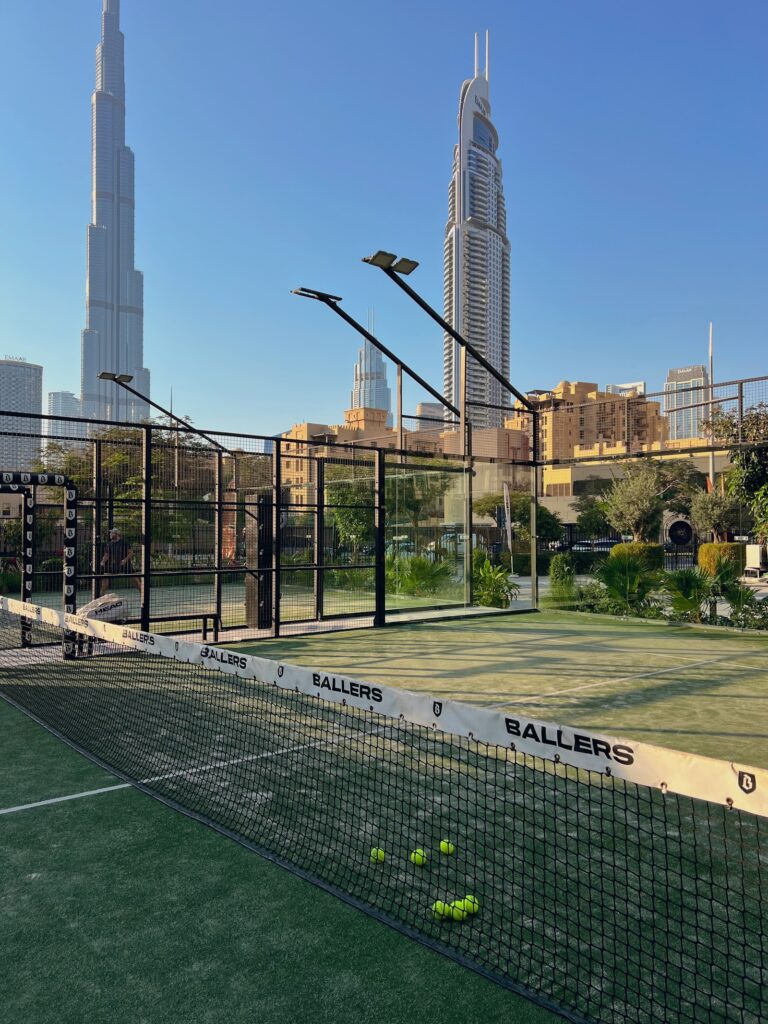
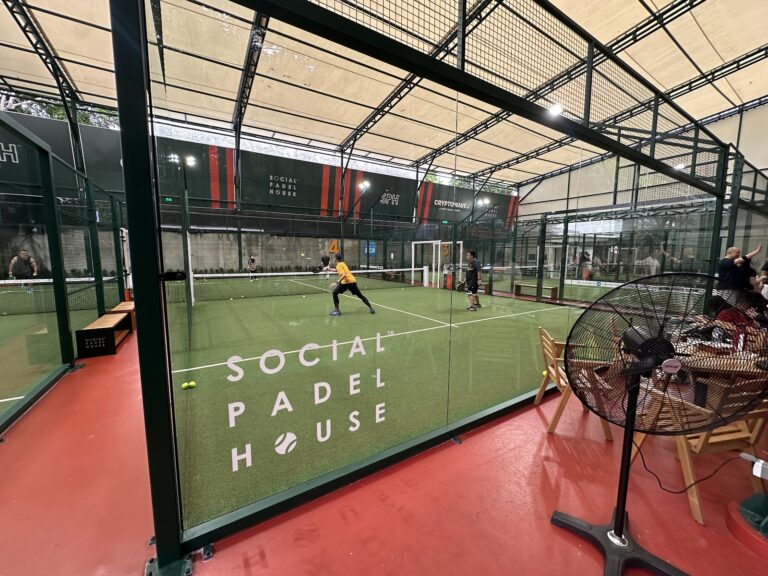
Padel is a racket sport played on a smaller court than tennis, enclosed by walls on all four sides. The walls are in play, which means you can hit off them strategically. The net is lower, the rackets are shorter, and the ball bounces less than a tennis ball.
In London, padel has exploded over the past three years. We now have over 40 clubs and dozens of indoor courts. The sport appeals to tennis players wanting a faster, more social game. It also attracts complete beginners because the learning curve is gentler than tennis.
The basics: two players per side, the ball must bounce on the court before hitting the back wall, and you can’t hit it out of bounds past the back wall without touching the wall first. Sounds complex? It’s not. Most players grip the fundamentals within their first session.
Finding a Padel Court Near You
London has options for every neighbourhood. North London has Padel Hub. West London has Racketeer Park Royal (one of the largest sites in Europe by court count). West London has Rocks Lane Chiswick with 12 courts. South West London has Rocket Padel Battersea at Battersea Power Station.
East London is served by Stratford Padel Club and Rocket Padel Beckton. Central London players can use Padel Social Club Earl’s Court or try Park Sports venues in Regent’s Park and Hyde Park.
Budget options exist across London: Game4Padel has venues in Southall, Bloom Heathrow, and Crystal Palace. Hazelwood Sports Club charges from £14/hour. Canada Water costs £22-£47. If you’re price-sensitive, these venues offer quality play at affordable rates.
How Much Will It Cost?
Expect to pay £14-£100/hour depending on venue and time. Budget venues run £14-£32/hour. Mid-range clubs cost £45-£70/hour. Premium locations like Padium Canary Wharf and Racketeer Park Royal run £70-£100/hour.
When you’re splitting with three friends, that’s just £6-£25 per person. Many venues offer off-peak discounts before 5pm on weekdays. Equipment hire (rackets and shoes) costs £2.50-£5/hour on top of court fees.
First-time sessions are sometimes discounted. Some venues run introductory packages. If budget is tight, start at a Game4Padel venue or Hazelwood, then upgrade as you commit to regular play.
What to Bring and Wear
You need a padel racket, trainers (court shoes preferred), and a water bottle. Don’t wear jeans; go for shorts or leggings. A light top you can move in works best.
Most venues provide rackets if you ask, usually for £2.50-£5. Trainers are fine initially, but padel-specific court shoes give better grip. You can buy rackets and shoes at pro-shops in major venues or order online from Padel Nuestro or Padel Market, which both deliver to the UK.
Bring a small towel and maybe a light jumper for the walk home. Changing facilities are standard at all London clubs, though premium venues have better amenities (showers, lockers, saunas).
Booking Your First Session
Visit the venue’s website or app and check available time slots. Most use online booking systems (Padel Mates, Mindbody, or custom platforms).
As a beginner, book at off-peak times (weekday mornings or early afternoons) when courts are quieter. This gives you more space and less pressure.
If you don’t have three friends, ask the venue for a partner match. Many clubs pair up solo players so you’re never stuck. This is also a great way to meet the London padel community.
Confirm the cancellation policy before booking. Most venues allow free cancellation up to 24 hours before. No-shows sometimes incur fees.
Learning the Basic Rules
Serve underhand from behind the baseline. Drop the ball to bounce once on your own side first, then strike it underhand below waist height. The serve must land in the opponent’s diagonal service box.
After serving, points play out like tennis: rally until someone misses or hits it out. The glass walls (typically 3 metres high) and metal mesh above (to a total height of around 4 metres) are all in play after the ball has bounced once on the floor.
Hitting the ball directly into your own walls without a floor bounce first does not count.
You can hit the ball before it bounces (volley). You can also hit the ball after it bounces off the wall. The glass walls are clear, so you see through them.
Padel uses tennis scoring: 15, 30, 40, then game (with deuce and advantage when both reach 40). The first team to 6 games (with a 2-game lead) wins the set, and matches are typically best-of-three sets. Tiebreaks decide sets at 6-6.
Your First Session: What to Expect
Arrive 15 minutes early to check in and grab a racket if needed. The staff will show you to your court.
Your first 10 minutes will feel awkward. You’ll miss the ball, hit it into the net, or overshoot. This is 100% normal. Every padel player started here.
By minute 20, your brain will adapt and you’ll start hitting consistent shots. Suddenly you’re in a rally and having fun. This is padel’s magic: the learning curve is fast and the enjoyment starts immediately.
Expect to be slightly sore the next day. Padel is intense. Drink plenty of water during play and stretch after. Most soreness disappears after a few sessions.
Getting Better: Next Steps
After your first session, play again within a week. Consistency matters more than intensity. Two sessions per week accelerates improvement.
Consider one coaching session to learn proper technique. This prevents bad habits forming. Group coaching costs £15-£25 per person; private lessons run £60-£100/hour.
Join a social session at venues like Rocks Lane Chiswick (Monday, Thursday, Friday, Saturday, Sunday 10am-12pm). These mixed-ability games let you learn from better players in a relaxed setting.
Eventually, try a club’s league or Americano-format event. Competitive play is fun and motivating, even if you’re brand new.
Common Beginner Mistakes (And How to Avoid Them)
Mistake 1: Standing too far back. Beginners crowd the baseline. Move forward to the middle of the court. You’ll feel more in control.
Mistake 2: Using a tennis grip. Padel uses a continental grip (like holding a frying pan). Ask your coach or watch YouTube tutorials.
Mistake 3: Trying to hit too hard. Padel is a touch sport. Soft, controlled shots beat hard slaps. Beginners overpowering the ball lose control.
Mistake 4: Ignoring footwork. Good positioning trumps technique. Even if you’re not athletic, you’ll improve faster by moving to the right spot than by perfecting your swing.
Mistake 5: Playing alone. Padel is social. Find partners, join groups, and play regularly. Friends make you better and padel more fun.
Padel beginners in London FAQ
Know a London player who has just started? Our padel gift guide has ideas at every budget, from a can of balls to a starter pack with a racket and a bag.
Do I need to play tennis to learn padel in London?
How fit do I need to be to play padel in London?
Can I play padel in London with people better than me?
What’s the minimum group size for padel coaching in London?
How long before a London beginner can actually rally?
Is padel expensive compared to tennis in London?
Can I play padel outdoors in London in winter?
What’s the age range of padel players in London?
For UK-wide governance, coaching pathways and the British Tour, see the LTA Padel hub. To find and book courts, use Playtomic or MATCHi.